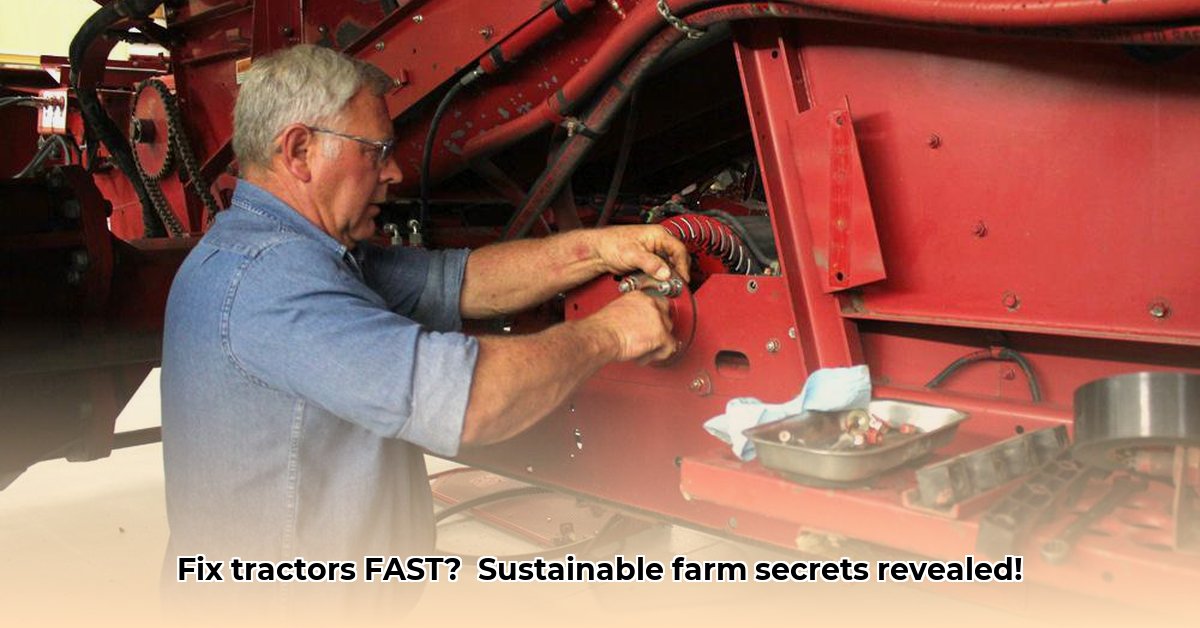
Keeping your tractor running smoothly is crucial for a successful harvest. This guide provides step-by-step instructions for tractor maintenance and repair, catering to various skill levels while emphasizing sustainable practices and safety. For more resources on garden tractors, see this helpful guide.
Preventative Maintenance: Keeping Your Tractor Running Smoothly
Regular maintenance prevents major problems and extends your tractor's lifespan. Think of it as preventative medicine for your machinery. Neglecting these steps can lead to costly repairs and downtime.
Oil Changes: Change your tractor's oil and filter according to the manufacturer's recommendations (typically every 50 hours of use). Use the correct type and weight of oil. Properly disposing of used oil is crucial for environmental protection. (See our section on Regulatory Compliance for details.)
Fluid Level Checks: Regularly check and maintain proper levels of coolant, transmission fluid, and hydraulic fluid. Low levels can lead to overheating, poor performance, and costly damage. Use environmentally friendly alternatives whenever possible.
Filter Replacements: Replace air, fuel, and hydraulic filters as recommended. Dirty filters restrict flow and reduce engine performance. Many filters are recyclable; check with your local recycling center.
Visual Inspection: Regularly inspect your tractor for leaks, loose bolts, and worn components (belts, hoses, etc.). Addressing minor issues promptly prevents them from becoming major problems. A quick once-over can save you significant time and money later. Is it worth risking a major breakdown?
Risk Assessment (Low): Wear safety glasses and appropriate gloves when performing maintenance tasks.
Troubleshooting Engine Problems: Decoding Smoke Signals and Unusual Noises
Your tractor’s engine is its heart. Understanding its warning signs prevents costly repairs and ensures your operation runs smoothly. What are the signs of trouble?
Smoke: Blue smoke indicates burning oil (worn piston rings or valve seals). Black smoke suggests a rich fuel mixture (fuel delivery problem). White smoke may indicate a coolant leak (serious issue requiring immediate attention).
Unusual Noises: Knocking could mean low oil pressure or worn bearings. Squealing or grinding might indicate belt problems or worn gears. Ignoring these warnings can lead to catastrophic engine failure.
Loss of Power: If your tractor struggles with tasks it easily handled before, investigate immediately. This could indicate a clogged air filter, fuel system issues, or more serious problems. Addressing these problems quickly is key to minimizing downtime.
Risk Assessment (Medium): Always disconnect the power before working on electrical components. Wear appropriate safety gear, including gloves when handling fluids.
Hydraulic System Basics: Identifying and Fixing Leaks
Hydraulic systems power many tractor functions. Understanding the basics enables you to address minor issues and prevent larger problems.
Locating Leaks: A leak is usually obvious (wet spots, dripping fluid, hissing). Pinpoint the source.
Assessing Damage: A small leak might just need a tightened fitting or replaced seal. A larger leak often means replacing a component (hose, hydraulic cylinder seal).
Repair or Replacement: Minor leaks are often manageable with basic tools, but for major repairs, consult a professional. Remember, hydraulic fluid is expensive and harmful to the environment; always dispose of it properly.
Risk Assessment (Medium): Wear gloves and eye protection when working with hydraulic fluid. Be cautious of high-pressure systems.
Electrical Gremlins: Simple Fixes and When to Seek Professional Help
Many electrical issues are easily addressed, but complex problems require expert assistance.
Loose Connections: Corrosion often causes electrical problems. Tightening and cleaning corroded terminals can restore power.
Blown Fuses: Replacing a blown fuse is a quick fix, but discover the underlying cause of the failure. This prevents recurring issues.
Worn Wiring: Inspect wiring harnesses for damage. Repair or replace damaged wiring.
For problems with computer systems or complex wiring harnesses, consult a qualified mechanic.
Risk Assessment (Medium): Always disconnect the power before working on electrical systems.
Sustainable Repair Practices: Minimizing Your Environmental Footprint
Sustainable farming involves minimizing your environmental impact. Here's how to make your tractor repairs eco-friendly.
Recycle parts: Many parts are recyclable. Consult your local recycling center.
Repair, Don't Replace: Before replacing a part, explore repair options.
Eco-Friendly Fluids: Use biodegradable lubricants and fluids whenever possible.
Proper Fluid Disposal: Always properly dispose of used fluids according to local regulations.
When to Call a Professional: Knowing Your Limits
Major repairs (engine, transmission, hydraulic system) are best left to qualified mechanics. Attempting complex repairs yourself can lead to injury and costly mistakes. Is saving a few dollars really worth the risk?
Regulatory Compliance: Responsible Fluid Disposal
Proper disposal of used fluids (oil, coolant, hydraulic fluid) is crucial. Contact your local environmental agency for regulations and disposal options. This protects our environment and ensures you comply with regulations.
Key Takeaways:
- Preventative maintenance is crucial for long-term cost savings and environmental protection.
- Addressing minor issues promptly prevents them from escalating into major problems.
- Sustainable practices (fluid disposal, recycling) reduce your environmental impact.
- Knowing your limits and seeking professional help when necessary ensures safety and efficient repairs.
This guide provides a foundation for tractor maintenance and repair. Remember, safety and sustainability are paramount. Happy farming!